
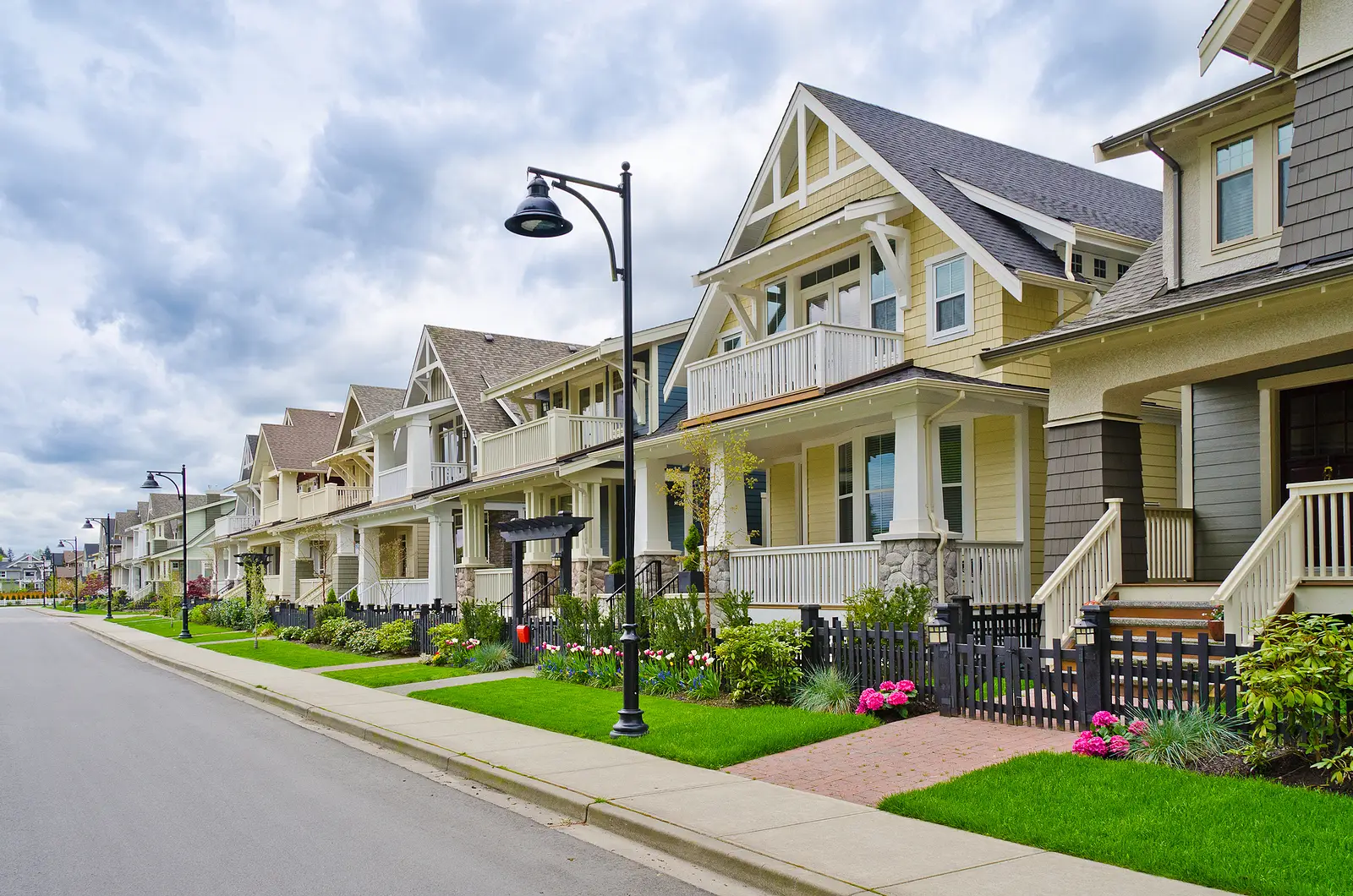
Strong communities rarely struggle because they lack amenities. More often, the challenge is getting homeowners to notice and use what already exists. Through our work with boards across Hoover, we have seen how communication gaps, outdated systems, and unclear expectations quietly limit participation. In fact, insights shared in this article on quiet pressure points show how easily engagement can stall when boards are stretched thin.
Across the country, HOAs shape everyday life for millions of residents. Recent housing data reveals that 40.5% of homes listed for sale are part of an association, which means expectations for organized, well-managed communities continue to rise. For boards in Hoover, the goal is not adding more amenities. It is making existing ones matter.
Key Takeaways
- Many HOA amenities go unused because homeowners are unaware of their full value.
- Clear communication builds trust and improves participation across the community.
- Modern systems and onboarding processes drive long-term engagement.
- Fair financial practices strengthen stability and homeowner confidence.
- Strategic HOA management helps boards align resources with real community needs.
Awareness Gaps Keep Amenities in the Shadows
Even well-funded associations can struggle with visibility. When residents do not fully understand what their dues support, amenities become background features rather than active benefits.
A quick review of board communications often reveals the issue. Portals are underused. Newsletters feel repetitive. Announcements are posted once and forgotten. Without reinforcement, information fades quickly.
Refresh How Information Is Delivered
Boards can improve engagement by simplifying their communication approach. Short updates with clear benefits tend to resonate more than lengthy policy explanations. When residents understand how landscaping schedules protect curb appeal or how reserve funding prevents future special assessments, participation improves.
In Hoover communities where technology use is increasing, secure and accessible systems matter. This resource on HOA technology and security highlights how digital tools can make communication easier and more transparent.
Highlight Everyday Value
Amenities should be framed around daily life. A clubhouse is not just a building. It is a space for celebrations, meetings, and neighborhood connection. A walking trail supports wellness and property appeal. When boards connect amenities to lifestyle benefits, usage naturally increases.
When Rules Overshadow Benefits
Homeowners sometimes associate HOAs primarily with restrictions. Architectural guidelines, parking rules, and landscaping standards can feel overwhelming if presented without context.
This perception shapes engagement. If residents see enforcement but do not see value, they withdraw.
Explain the Financial Picture Clearly
Dues support insurance, maintenance, and reserves. National housing reports show that 34.8 percent were renter-occupied housing units in recent data, which means many communities include residents who may not fully understand how association finances work. Boards that explain budgets in straightforward language build stronger trust across both owners and tenants.
Clear collection policies also play a major role in community stability. Boards that adopt structured processes similar to those discussed in fair collection practices reduce tension and maintain consistent cash flow.
Focus on Consistency
Fair enforcement is essential. When rules apply evenly, residents feel respected. Predictable processes create a sense of order that encourages cooperation instead of resistance.
Onboarding Sets the Tone for Long-Term Engagement
The first few months after a homeowner moves in are critical. Without a clear introduction to community standards and amenities, engagement may never take root.
A welcome packet alone is rarely enough. Boards benefit from structured onboarding that introduces policies, amenity reservations, and maintenance guidelines in digestible steps.
Create a Clear Welcome Path
An effective onboarding approach might include:
- A concise digital guide explaining key amenities and how to access them
- A summary of maintenance standards and architectural review processes
- Contact information for board members or management support
When new residents understand expectations early, they are more likely to participate and comply.
Emphasize Shared Services
Many associations negotiate bulk vendor contracts for landscaping, pest control, or other community services. These partnerships reduce costs and protect property values. Coordinating these efforts effectively requires oversight, which is why structured vendor coordination services help ensure performance stays consistent and transparent.
Amenities That No Longer Reflect Community Needs
Communities evolve. What worked a decade ago may not resonate today. An underused tennis court or rarely booked meeting room often signals a mismatch between offerings and resident preferences.
Before investing in upgrades, boards should assess usage patterns and gather input.
Modernize With Purpose
Small updates can make a significant difference. Improved lighting, refreshed landscaping, or updated reservation systems create renewed interest. In some cases, repurposing space generates stronger engagement than renovation alone.
Board members also benefit from ongoing education to guide these decisions. Practical resources for board member support provide tools that help leaders evaluate community priorities thoughtfully.
Encourage Participation in Meetings
Low meeting attendance is common. Residents may assume their presence is unnecessary. Shorter agendas, advance summaries, and follow-up highlights can improve turnout and demonstrate relevance.
Volunteer Fatigue Slows Momentum
Many associations rely on a small group of dedicated volunteers. Over time, that responsibility can become overwhelming. When boards are stretched thin, communication suffers and strategic planning stalls.
Professional support helps restore balance. By sharing administrative tasks, compliance oversight, and financial reporting, we allow boards to focus on leadership rather than paperwork.
Strengthen Feedback Channels
Communities thrive when residents feel heard. Simple surveys, suggestion forms, and informal gatherings provide valuable insights. Feedback helps boards redirect resources toward amenities and services that truly matter.
Consistent dialogue also builds trust. When homeowners see their input reflected in decisions, they engage more willingly.
Leverage Technology
Secure portals for payments, document access, and maintenance requests simplify participation. Homeowners are more likely to use resources when the process is convenient.
Modern systems also improve transparency. Clear records, accessible budgets, and documented decisions foster confidence in board leadership.
FAQs about HOA Resource Management in Hoover, AL
Why do some HOA amenities in Hoover go unused even when they are well-maintained?
Low awareness and unclear communication often prevent residents from realizing how amenities fit into their daily routines, which reduces participation even when facilities are in good condition.
How can boards increase homeowner engagement without raising dues?
Improving communication, modernizing digital tools, and clearly explaining financial planning often boost involvement without adding new costs or increasing assessments.
What role does consistent rule enforcement play in community participation?
Fair and predictable enforcement builds trust among residents, which encourages cooperation and greater willingness to use shared amenities responsibly.
How does professional HOA management support better resource use?
Professional guidance streamlines operations, enhances communication, and ensures financial clarity, allowing boards to focus on strengthening engagement and community satisfaction.
Why is onboarding so important for long-term HOA engagement?
Clear orientation helps new homeowners understand expectations, access amenities confidently, and feel connected to the community from the start.
Turning Underused Amenities Into Community Assets
HOA communities in Hoover have tremendous potential. Most already possess the physical assets and financial structures needed for success. The challenge lies in alignment, communication, and consistent follow-through.
At PMI Birmingham Region, we work alongside boards to strengthen engagement, improve transparency, and ensure every resource serves a clear purpose. From financial oversight to compliance support and vendor management, our team helps associations operate with confidence.
Empower your community with expert HOA guidance by connecting with PMI Birmingham Region through our association management services in Birmingham. Let us help you transform overlooked amenities into meaningful assets that enhance daily life and protect long-term property values in Hoover, AL.